Pembridge Villas Upholstery Cleaning for Period Homes
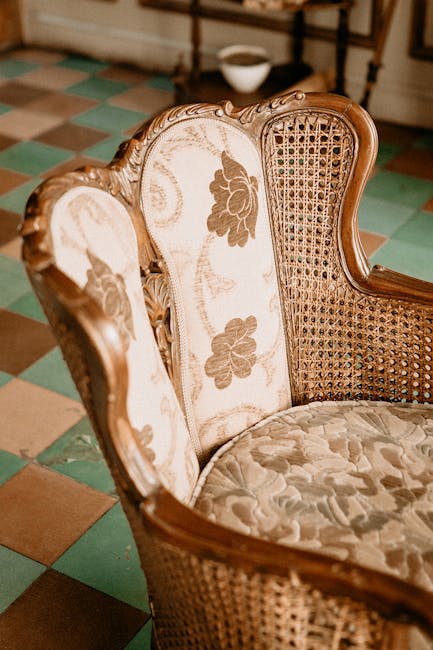
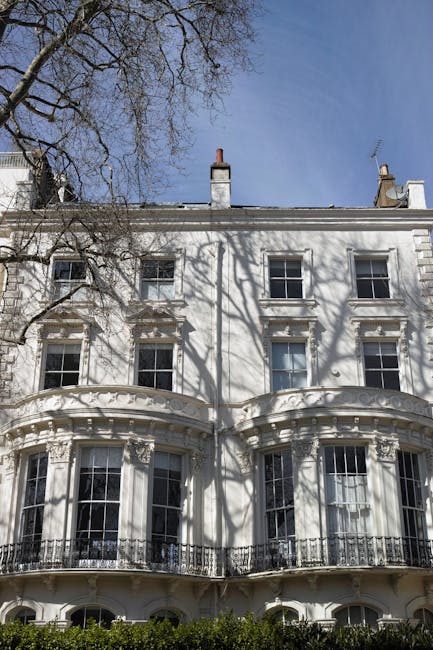
If you live in Pembridge Villas, you already know the appeal of period homes: tall ceilings, original detailing, generous rooms, and furniture that tends to have a bit of history. That history is lovely, but it also means upholstery needs a more careful hand. Pembridge Villas upholstery cleaning for period homes is not just about making a sofa look brighter for a few days. It is about protecting fabrics, preserving fillings, dealing with dust in the right way, and keeping older interiors feeling refined rather than tired.
In homes like these, a rushed clean can do more harm than good. Delicate trims, natural fibres, antique chairs, and hand-finished pieces all respond differently. The right approach is gentle, practical, and properly assessed before anyone starts spraying and hoping for the best. To be fair, that is where many cleaning jobs go wrong.
This guide walks through how specialist upholstery cleaning works, why it matters in period properties, what methods are usually suitable, and how to avoid common mistakes. If you are comparing services, planning a seasonal refresh, or just trying to figure out whether that faint mark on the arm of the chaise is fixable, you are in the right place.
Table of Contents
- Why Pembridge Villas upholstery cleaning for period homes Matters
- How Pembridge Villas upholstery cleaning for period homes Works
- Key Benefits and Practical Advantages
- Who This Is For and When It Makes Sense
- Step-by-Step Guidance
- Expert Tips for Better Results
- Common Mistakes to Avoid
- Tools, Resources and Recommendations
- Law, Compliance, Standards, or Best Practice
- Options, Methods, or Comparison Table
- Case Study or Real-World Example
- Practical Checklist
- Conclusion
- Frequently Asked Questions
Why Pembridge Villas upholstery cleaning for period homes Matters
Period homes in Pembridge Villas often combine beautiful architecture with upholstery that is either antique, bespoke, or simply more fragile than modern mass-produced furniture. Even everyday living leaves a mark. Dust settles into seams, body oils dull fabrics, and London's general air pollution has a way of finding soft furnishings and making them look older than they are. It sneaks up slowly. One day the room feels a bit flat, and you cannot quite put your finger on why.
Upholstery cleaning matters here for three main reasons: preservation, appearance, and hygiene. First, older furniture can be expensive to repair and surprisingly easy to damage if treated badly. Second, a properly cleaned chair or sofa lifts the whole room, especially in a property with natural light and period detail. Third, fabrics in lived-in homes can hold dust, allergens, and everyday debris that a vacuum alone will not fully remove.
There is also the property value angle. A well-kept interior makes a strong impression, whether you are welcoming guests, photographing a home for sale, or simply wanting the place to feel cared for. If you are also thinking about broader home maintenance, a service like deep cleaning in Holland Park can complement upholstery care nicely, because these jobs tend to support one another rather than stand alone.
In streets like Pembridge Villas, where homes often carry a visible sense of character, the goal is not to make everything look brand new. That would be odd, honestly. The goal is to keep the furniture fresh without stripping away the personality that makes a period home special.
How Pembridge Villas upholstery cleaning for period homes Works
Specialist upholstery cleaning starts with inspection, not with a machine. A good cleaner will identify fabric type, construction, trim details, existing wear, stains, and any signs of dye instability. That assessment shapes everything that follows. Velvet is not treated like linen. Silk blends do not get the same treatment as a sturdy wool mix. Common sense, really, but it is often skipped.
The process usually follows a careful sequence:
- Initial inspection - The cleaner checks the fabric, furniture frame, stitching, labels where available, and any problem spots.
- Dry soil removal - Loose dust and grit are removed with controlled vacuuming and soft attachments.
- Spot testing - A discreet area is tested to see how the textile reacts to moisture or cleaning agents.
- Pre-treatment - Specific marks or heavily soiled sections are gently treated.
- Main cleaning - Depending on the fabric, this may involve low-moisture extraction, very controlled hand cleaning, or specialist solvent-based methods.
- Detailing - Crevices, piping, skirts, and seat fronts are finished carefully.
- Drying and final check - The cleaner makes sure the fabric dries evenly and that no obvious residue remains.
For period homes, the method matters as much as the result. Over-wetting can distort fabrics, raise pile, mark timber feet, or leave lingering damp in old upholstery. Some older pieces also have horsehair, cotton batting, or mixed fillings that respond badly to aggressive cleaning. A cautious approach protects both the upholstery and the room around it.
If you are weighing up services, it may help to look at the wider range of care available through upholstery cleaning in Holland Park and the broader services overview, especially if you want one provider to handle several soft-furnishing or household cleaning needs.
Key Benefits and Practical Advantages
Good upholstery cleaning is not just cosmetic. It changes how a room feels and how long the furniture lasts. In a period property, those benefits are even more pronounced because the furniture often plays a central role in the character of the home.
- Better fabric appearance - Colours look clearer, fibres feel fresher, and the room has a more cared-for look.
- Reduced dust build-up - Regular cleaning helps reduce the amount of fine dust embedded in seats, cushions, and seams.
- Longer furniture life - Gentle maintenance can slow down wear, particularly on high-use seating.
- Improved comfort - Clean upholstery feels more pleasant to use, especially on hot days or after heavy use.
- Odour control - Soft furnishings can hold cooking smells, pet odours, and general stale air; cleaning helps reset that.
- Better presentation - Useful for hosting, moving home, staging a property, or simply keeping things lovely.
There is another advantage that often gets overlooked: confidence. When you know a velvet armchair or a favourite sofa has been inspected and cleaned properly, you stop worrying every time someone sits down with a cup of tea. That sounds minor, but it is a real relief in a busy home.
For many households, combining upholstery care with spring cleaning in Holland Park or a one-off reset such as one-off cleaning creates a much better overall result. Everything feels aligned instead of half-done.
Who This Is For and When It Makes Sense
This type of cleaning is especially useful for homeowners and tenants in Pembridge Villas who live with upholstered pieces that are either valuable, delicate, or heavily used. That includes families, hosts, long-term residents, landlords, and people settling into a newly purchased period property.
You may want specialist upholstery cleaning if:
- your sofa, armchairs, dining chairs, or headboards are showing dullness or patchy marks
- the furniture is antique, vintage, or custom-made
- there are pets, children, or frequent guests in the home
- you notice dust settling more quickly than usual
- a room has a faint stale smell even after airing it out
- you are preparing for sale, valuation, photography, or entertaining
- you are completing a broader home refresh after building work or seasonal wear
It also makes sense after events. A dinner party, family gathering, or a run of wet-weather weeks can leave upholstery looking much more tired than the rest of the room. London weather has its own opinions, let us say that much. If you are curious about the wider local context, the article on exploring the enchanting neighbourhood of Holland Park is a nice read and gives a sense of the area's character.
For those comparing home services more broadly, there is also domestic cleaning in Holland Park and house cleaning in Holland Park, both of which can pair well with upholstery care when you want the whole place to feel reset.
Step-by-Step Guidance
If you are planning upholstery cleaning in a period home, the best results usually come from a sensible sequence. Not rushed. Not improvisational. Just steady and careful.
1. Identify what you actually have
Before anything else, work out whether the upholstery is natural fibre, synthetic, velvet, linen, wool, leather, or a blend. If there is a care label, read it. If there is no label, assume caution. Older furniture often lacks clear instructions, and that is where professional judgement matters.
2. Check for hidden issues
Look for loose stitching, weakened seams, wobbling frames, sun fading, or old repairs. Cleaning is not the time to discover a torn panel that is hanging on by a thread. Well, it is the time, but better to discover it before water or agitation makes it worse.
3. Test a small area
Any decent cleaner should test a hidden spot first. This tells you whether colour transfer, texture change, or water marking is likely. It is a simple step, but it saves a lot of regret.
4. Choose the right method
Low-moisture or specialist hand-cleaning approaches are often preferred for period upholstery. Standard hot-water extraction can work on certain modern fabrics, but it is not automatically the best choice for a heritage piece. The method should be driven by the textile, not by habit.
5. Allow proper drying
Drying matters more than people think. Old homes can hold moisture in a way newer flats do not. Open windows where sensible, keep air moving, and avoid sitting on the furniture until it is fully dry. A slightly damp sofa in a cool room is never a charming idea.
6. Finish with light maintenance
Once clean, vacuum periodically, rotate cushions where possible, and deal with spills early. Simple habits make the next clean easier and less invasive.
If you want a cleaner to handle the work, you can start with a quote request via request a quote or get in touch through the contact page. That makes it easier to explain the type of fabric, the room layout, and any concerns before the visit.
Expert Tips for Better Results
Most upholstery problems are not caused by one huge disaster. They build up slowly. The good news is that a few careful habits make a real difference.
- Vacuum regularly with a soft attachment to stop grit embedding into the fibres.
- Blot spills quickly instead of rubbing. Rubbing pushes the stain deeper and can distort the nap.
- Protect from direct sunlight where possible. Fading is sneaky and irreversible once it settles in.
- Use cushions and throws sensibly if a piece sees daily use, but do not trap moisture under them.
- Ask about fabric-safe products rather than assuming all upholstery cleaners are the same. They are not.
- Make sure timber details are protected during cleaning, especially on older chairs and sofas with exposed wood.
- Keep pets and damp towels away during drying. Sounds obvious, but you would be surprised.
One practical tip that people often miss: take a quick photo of the furniture before cleaning. Not for drama. Just for reference. It helps you see whether the clean has evened out the fabric, and it gives you a record of pre-existing marks. Handy if you are comparing before-and-after results.
If you are also managing the home seasonally, the combination of end of tenancy cleaning in Holland Park or carpet cleaning in Holland Park with upholstery care can make a property feel properly looked after rather than just tidied.
Common Mistakes to Avoid
Period homes can be forgiving in some ways and completely unforgiving in others. Upholstery is one of those areas where a small mistake can leave a lasting mark.
- Using too much water - This can cause slow drying, water marks, or distortion.
- Skipping the test patch - Risky on older textiles, especially dyed or patterned fabrics.
- Using bleach or harsh household products - They often strip colour or damage fibres.
- Over-brushing - It can flatten pile or roughen delicate surfaces.
- Assuming all stains are removable - Some marks have already set or altered the dye.
- Ignoring the frame and filling - Clean fabric is helpful, but internal damage matters too.
- Rushing the dry time - Sitting on a wet seat is how people end up with fresh dents and new smells.
One of the biggest mistakes is choosing a cleaner only on price. We all like a fair quote, of course, but ultra-cheap services may use generic methods that are fine for one fabric and wrong for another. In a period property, wrong is expensive.
It is better to ask careful questions first than to "save" a little money and then face colour loss on a once-beautiful chair. That is not a good trade.
Tools, Resources and Recommendations
You do not need a huge kit to care for upholstered furniture well, but the right tools help keep things under control between professional visits.
| Tool or Resource | What It Helps With | Notes for Period Homes |
|---|---|---|
| Soft upholstery vacuum attachment | Removing dust from seams, cushions, and edges | Best for regular maintenance without damaging delicate fibres |
| White absorbent cloths | Blotting small spills | Useful because they do not transfer colour |
| Fabric care label or manufacturer notes | Identifying safe cleaning methods | Especially useful on newer reupholstered pieces |
| Hydrating air flow, not direct heat | Helping items dry evenly | Gentler for older fillings and timber frames |
| Professional cleaning assessment | Matching the method to the material | Best option for antique or mixed-fibre upholstery |
It also helps to keep a simple note of what was cleaned and when. Nothing fancy. A line in your phone is enough. If you look after multiple soft furnishings, that little record saves confusion later, especially in larger homes.
For local homeowners wanting to better understand the area and the kinds of properties found nearby, the posts on Holland Park property market insights and resident opinions on Holland Park life are useful context as well.
Law, Compliance, Standards, or Best Practice
Upholstery cleaning in a private home is not usually a highly regulated activity in the way some trades are, but there are still sensible standards and responsibilities that matter. A trustworthy provider should work safely, use products appropriately, and respect your home and belongings.
From a practical perspective, best practice includes:
- using products in line with their instructions and intended fabric type
- carrying appropriate insurance for work carried out in the home
- handling chemicals and equipment safely
- being clear about limitations, especially on delicate or aged textiles
- respecting privacy, access, and property conditions
If you are comparing providers, it is reasonable to look for clear information on insurance and safety, as well as transparent service information on pricing and quotes. That kind of clarity is reassuring, and honestly, it saves time for everyone.
For customers who value broader trust signals, pages such as about us and the site's terms and conditions can also help set expectations before any work begins.
Options, Methods, or Comparison Table
Different upholstery cleaning methods suit different fabrics and situations. There is no single perfect method, which is why a proper inspection matters so much. Here is a simple comparison to make the choices easier to understand.
| Method | Best For | Pros | Limitations |
|---|---|---|---|
| Low-moisture cleaning | Delicate upholstery, period furniture, mixed fabrics | Controlled, gentle, often faster drying | May not suit heavy contamination or all stain types |
| Hot-water extraction | Robust, modern fabrics with deeper soiling | Can remove more embedded dirt | Riskier on older fabrics if overused or badly managed |
| Hand cleaning | Antique pieces, trims, sensitive textiles | Very controlled and detailed | Slower and not always suitable for large-scale cleaning |
| Solvent-based treatment | Specific stains or fabrics that dislike water | Useful on selected materials | Requires real experience and careful product selection |
What should you choose? The honest answer is: the method that matches the upholstery, not the method that sounds strongest in an ad. Stronger is not better here. Sometimes softer is smarter.
If the furniture forms part of a larger property refresh, it can be worth pairing the work with house cleaning in Holland Park or an occasional office cleaning visit if the property includes a home office or reception-style seating. Different spaces, same principle: clean carefully, not aggressively.
Case Study or Real-World Example
A practical example helps here. Imagine a Pembridge Villas drawing room with a pair of early-20th-century armchairs, a modern fabric sofa, and a velvet footstool. The chairs are slightly dusty, the sofa has a few faint marks from everyday use, and the footstool shows a patch where sunlight has faded the pile a little.
The right approach would not be a blanket one-size-fits-all clean. Instead, each piece would be handled differently. The armchairs might need gentle vacuuming and careful spot treatment, the sofa could tolerate a slightly deeper clean, and the velvet footstool would need a very light touch to avoid flattening the texture. The room would also need sensible drying, because old sash windows, soft furnishings, and a damp February afternoon do not always get along.
In a case like that, the biggest win is not only visual. It is the reassurance that the furniture has been treated according to its material and age. The room ends up feeling brighter, but still authentic. That balance is what period homes need most.
And yes, sometimes the smallest difference is the one you notice first. A chair that no longer smells faintly musty. A cushion that looks a shade cleaner in daylight. A room that just breathes a bit easier.
Practical Checklist
Use this checklist before booking or carrying out upholstery cleaning in a period property:
- Identify the fabric type if possible
- Check for care labels, maker notes, or previous reupholstery records
- Inspect for tears, weak seams, loose buttons, or frame movement
- Decide whether the piece needs a gentle clean, stain treatment, or full restoration advice
- Remove loose cushions and vacuum carefully
- Ask what cleaning method will be used and why
- Confirm whether a test patch will be done
- Make sure drying time is realistic for your home conditions
- Keep pets and children away from the area while it dries
- Ask how to maintain the piece after cleaning
Practical summary: if the upholstery is delicate, old, or valuable, choose inspection-led cleaning over quick-fix cleaning every time. That simple decision prevents most of the headaches people run into later.
Conclusion
Pembridge Villas upholstery cleaning for period homes is really about respect: respect for the fabric, the furniture, and the architecture around it. Older properties have a certain rhythm to them, and soft furnishings are part of that story. When they are cleaned carefully, the whole home feels more settled, more elegant, and more enjoyable to live in.
The best results come from a measured approach. Know your fabric, test first, use the gentlest suitable method, and do not rush drying. If you do those things well, you protect both beauty and longevity. That matters in a home with character.
If you would like tailored help or want to compare options for your property, explore the service pages, check the practical information, and ask for guidance that fits your furniture rather than forcing your furniture to fit the service. It sounds obvious, but it is the whole point.
Get a free quote today and see how much you can save.
Sometimes the right clean is the one that quietly gives a room its dignity back.
Frequently Asked Questions
How often should upholstery be cleaned in a period home?
It depends on use, fabric type, pets, and whether the room gets a lot of traffic. Many homeowners choose a professional clean every 12 to 24 months, but high-use pieces may need attention sooner.
Is steam cleaning safe for antique upholstery?
Not always. Steam or hot-water methods can be too aggressive for some antique fabrics, mixed fillings, or delicate trims. A proper inspection should come first, and often a lower-moisture approach is safer.
Can old stains be removed from velvet or linen sofas?
Sometimes, yes, but not always fully. Older stains may have altered the fibre or dye, so a cleaner should be honest about what is realistic rather than promising miracles. That honesty matters.
What is the best cleaning method for period furniture?
There is no single best method. For many period pieces, hand cleaning or low-moisture cleaning is preferred because it gives more control. The right choice depends on the fabric and construction.
Will upholstery cleaning damage delicate trims or tassels?
It can if handled carelessly. Delicate details should be assessed and protected before cleaning starts. This is one reason specialist care is worth it for older homes.
How long does upholstery take to dry?
Drying time varies by fabric, method, room temperature, and ventilation. Some pieces dry in a few hours, while others can take longer. Good airflow helps, but avoid strong heat unless the cleaner specifically recommends it.
Can I clean period upholstery myself?
Light maintenance like vacuuming and blotting spills is fine. Full cleaning is trickier, especially on delicate or valuable items. If the piece matters to you, a cautious professional assessment is usually the safer route.
What should I ask before booking a cleaner?
Ask what method they will use, whether they will test a hidden area, how they handle delicate fabrics, whether they carry insurance, and how long drying may take. Those questions tell you a lot very quickly.
Does upholstery cleaning help with odours?
Yes, often it does. Soft fabrics can hold odours from pets, cooking, smoke, or general daily use. Cleaning can reduce those smells, although severe odour issues may need more than standard cleaning alone.
Is it worth cleaning upholstery before selling a property?
Usually, yes. Fresh-looking soft furnishings can improve first impressions and help a room feel brighter and better cared for. In a period home, that subtle polish can matter more than people expect.
How do I know if my sofa needs cleaning or reupholstery?
If the fabric is dirty but structurally sound, cleaning may be enough. If there are major tears, sagging, broken springs, or severe wear, reupholstery or repair may be the better investment. A good cleaner should be able to tell you when cleaning is no longer the real answer.
Can upholstery cleaning be combined with other home cleaning services?
Absolutely. Many homeowners pair it with deep cleaning, spring cleaning, carpet cleaning, or one-off cleaning so the whole property feels refreshed at once. It is often more efficient too.